


Is all caffeine the same? Coffee, tea, matcha and guayusa compared
Coffee, tea, matcha and guayusa all carry the same caffeine, yet each one feels different in the cup. Here is why, with a quick comparison and where Peak Hype fits.
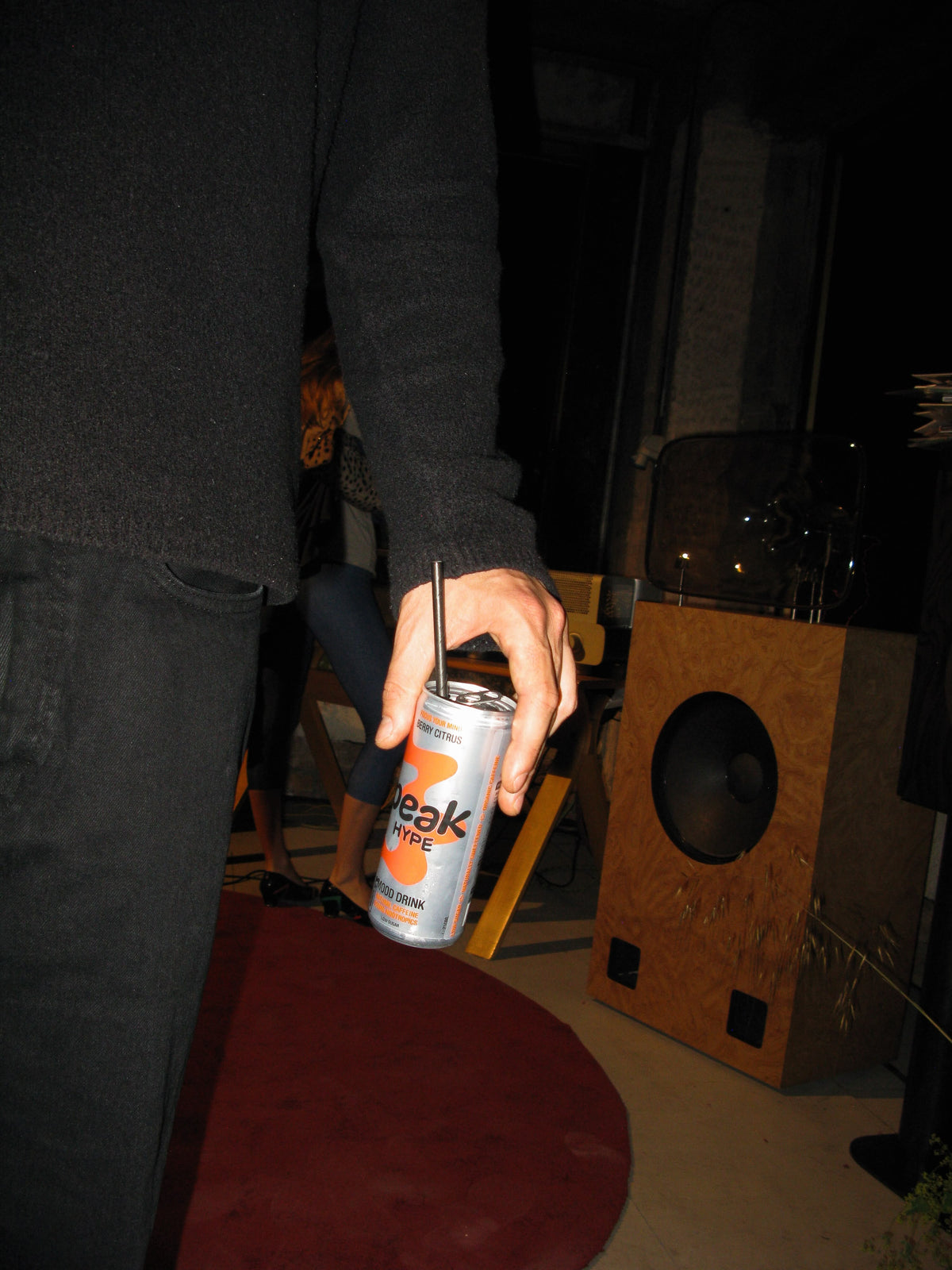
Saturday morning, and the whole group is caffeinated in different ways. One friend is on a flat white, another is whisking a bright green matcha and someone is cracking a can made with guayusa, which raises a fair question: is all caffeine the same?
The caffeine itself is identical in every one of those drinks, whether it grew in a bean or a leaf or came from a lab. What makes each one feel different is how much is in the cup, what the plant brings along with it and the time of day you drink it.
The quick version
- The caffeine molecule is identical whether it comes from a bean, a leaf or a lab.
- How much is in your cup matters most, and café cups vary wildly.
- A generous scoop of matcha can match a cup of coffee.
- Tea and matcha come with L-theanine, while guayusa brings theobromine, the compound best known from chocolate.
- Peak Hype has 60mg of caffeine, all from guayusa, printed clearly on every can.
Is natural caffeine different from synthetic caffeine?
Synthetic caffeine is made in a lab and costs less than taking it out of plants, so plenty of drinks with added caffeine use it. Chemically, it is the same thing as the caffeine in your morning brew.
Researchers have put this to the test. In a 2018 trial, people had caffeine from green coffee beans one day and lab-made caffeine another, and their bodies handled the two in exactly the same way. "Natural" simply means the caffeine arrives with the rest of the plant, and that is where things get interesting.
Why does the same coffee feel different every time?
Mostly, it comes down to the dose. When Which? tested high street cappuccinos in 2023, the caffeine ranged from 66mg to 325mg, so one café's cup can hold nearly five times another's. That explains a lot of mornings that went from cruising to buzzing.
Timing plays its part too. A coffee at nine fits neatly into the day, while one at four can still be with you at bedtime, which is why many people keep their caffeine to the morning and early afternoon.
Why is everyone drinking matcha?
Matcha has travelled from Japanese tea ceremonies to every café menu and half of your social feed. Part of the appeal is the ritual: the bamboo whisk, the bright green foam and the few quiet minutes it takes to make.
It is green tea leaf ground into a fine powder, so you drink the whole leaf. Growers shade the bushes before harvest, which helps the leaves hold on to L-theanine, the amino acid many people credit for matcha's smooth feel. The scoop sets the strength, and a typical serving of 2g to 4g holds anywhere from 38mg to 176mg of caffeine, so a heaped spoon can rival a coffee. Our guide to L-theanine and caffeine goes deeper on that pairing.
How do coffee, tea, matcha and guayusa compare?
Here is a rough guide to the usual suspects. The brew, the scoop and the brand will all move the numbers, and the coffee and tea figures come from the NHS.
| Drink | Caffeine, roughly | How people describe it |
|---|---|---|
| Instant coffee | About 100mg a cup | The classic morning wake up |
| Tea | About 75mg a cup | Easy going and good at any hour before dinner |
| Matcha | 38mg to 176mg a serving | Earthy, creamy and full of ritual |
| Yerba mate | About 80mg a cup | Grassy and sociable, made for sharing |
| Guayusa | 20mg to 58mg per 100ml | Mellow and slightly sweet |
| Peak Hype | 60mg a can | Sparkling berry citrus |
What makes guayusa special?
Guayusa is the leaf of a holly tree from the Amazon, and families in Ecuador have brewed it for generations, often sharing a pot early in the morning. It makes a soft, rounded cup that even dedicated coffee drinkers tend to enjoy.
Like cocoa, guayusa carries theobromine alongside its caffeine, and fans often describe the lift it gives as warm and steady. You can read the whole story in our guide to guayusa.
Where Peak Hype fits
Hype is our lifted mood: lifted, not wired. Each lightly sparkling berry citrus can has 60mg of natural caffeine, all from guayusa, with 250mg of L-tyrosine and vitamins B3, B6, B7 and B12, in 28 calories. That is a little less than a cup of instant coffee, and the number is right there on the can.
The guayusa is personal. Louie, our founder, swapped coffee for it in 2020 and has had it every day since, and that habit grew into Peak. People reach for Hype before a studio session, at their desk or on the way to run club, and our explainer on what a mood drink is shows how it pairs with Calm.
Try Peak Hype, made with natural caffeine from guayusa. Hype contains caffeine and is not recommended for children or for women who are pregnant or breastfeeding.
Common questions
Does matcha have more caffeine than coffee?
It depends on how much powder you use. A level half teaspoon usually comes in under a cup of instant coffee, while a full, heaped teaspoon can go well past it.
How much caffeine is fine in a day?
The Food Standards Agency says up to 400mg a day is unlikely to cause problems for most adults, and up to 200mg a day in pregnancy.
Is there caffeine in Peak Calm?
Calm is caffeine free. It is our relaxed mood, made with magnesium and L-theanine in a juicy peach flavour.
Pick your mood
Lifted, not wired

Hype
Meet Hype
A sparkling berry citrus drink with 60mg of natural caffeine from guayusa, plus L-tyrosine and B vitamins.
 CaffeineHow to beat the afternoon slump without another coffeeThe afternoon slump lands for almost everyone between one and four o'clock. Here is why it happens, the resets people swear by, and how a three o'clock ritual with Peak...
 IngredientsGuayusa vs yerba mate: two hollies, two very different cupsGuayusa and yerba mate are caffeinated cousins from South America with very different flavours and rituals. Here is how they compare, and why Peak Hype is made with guayusa.
 Mood drinksDrinks for creative work: from the studio to the deskEvery creative day has its moods. Here are the best drinks for creative work, from the blank page to the final mix, and the rituals that go with them.