


The best coffee alternatives in the UK, compared
The best coffee alternative depends on how much caffeine you want. We compare matcha, mushroom coffee, chicory, yerba mate, guayusa and Peak by caffeine, taste and feel.
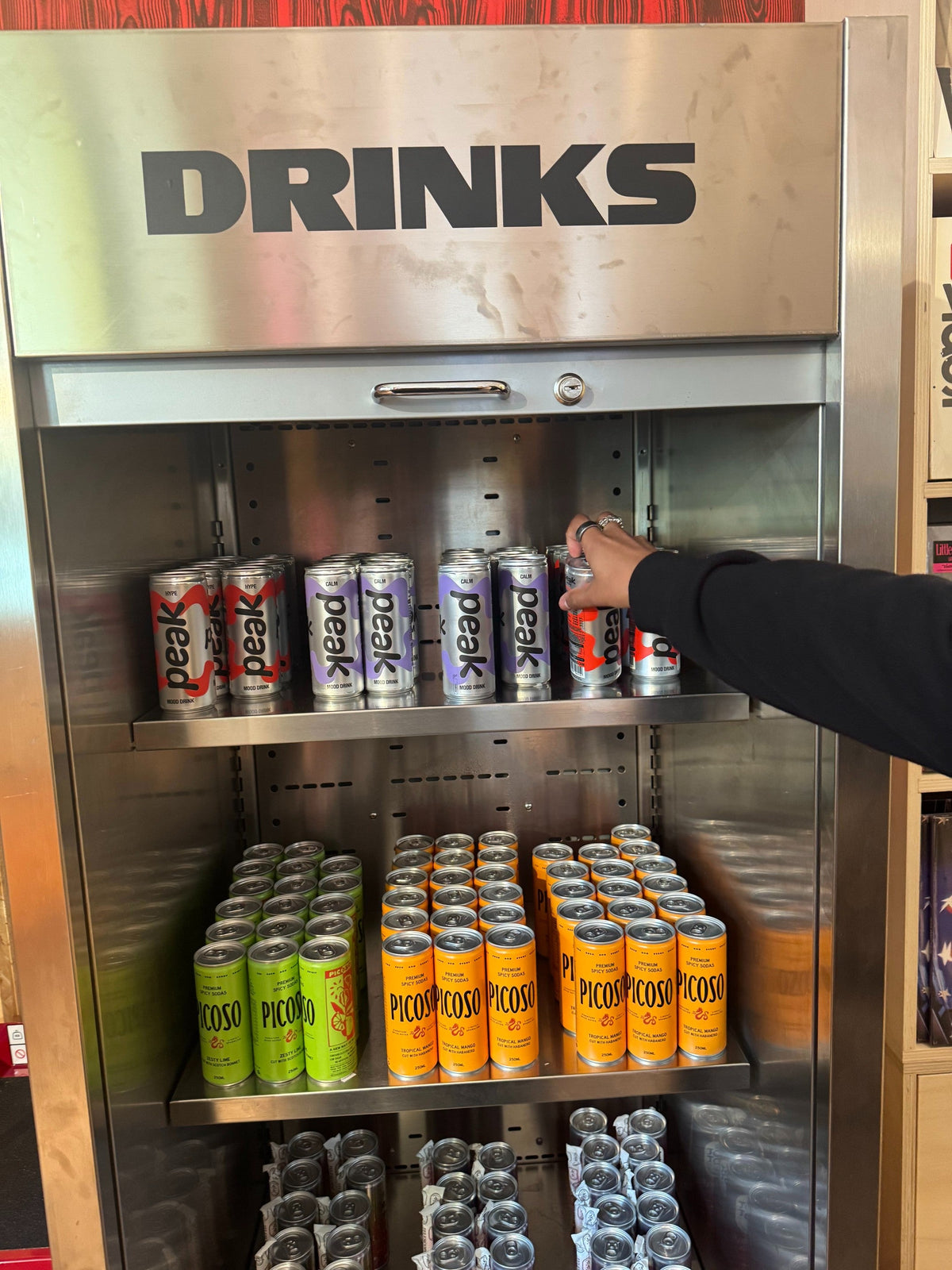
The best coffee alternative depends on how much caffeine you want. Matcha and yerba mate come closest to a cup of coffee, guayusa tea and mushroom coffee sit lower, and pure chicory has no caffeine at all. Below we compare each one by caffeine, taste and feel, alongside our own two moods, Peak Calm and Peak Hype.
- A cup of instant coffee has about 100mg of caffeine, and filter or coffee shop coffee can have more (NHS).
- Matcha powder holds about 19mg to 44mg of caffeine per gram, so the strength of your cup depends on the scoop (Kochman et al., 2021).
- Chicory root is naturally caffeine free and is a source of inulin, a prebiotic fibre (Healthline).
- Ocado searches for mushroom coffee rose 1,552% in a year, and 39% of Gen Z say they have swapped their morning tea or coffee for a functional drink (Ocado, 2025).
- EFSA considers up to 400mg of caffeine a day safe for healthy adults, apart from pregnant women, when it is spread across the day (EFSA).
What is the best coffee alternative?
Coffee does three jobs at once. It gives you caffeine, it gives you a flavour you like, and it gives you a ritual, whether that is the first warm mug or the walk to the café. A good swap keeps the jobs you care about and changes the one you want to change.
So start with one question: how much caffeine do you want? If you want a similar lift with a new taste, matcha and yerba mate are the closest. If you want a lighter lift, guayusa tea and mushroom coffee sit at roughly half a cup of instant coffee. If you want the ritual with no caffeine, chicory gives you a dark, roasty cup with none at all.
You are in good company. In a 2025 Savanta survey for Ocado, 22% of UK adults and 39% of Gen Z said they had swapped their morning tea or coffee for a functional drink. Over the same period, Ocado saw matcha sales grow 67% and searches for mushroom coffee rise 1,552% (Ocado).
How do coffee alternatives compare on caffeine, taste and feel?
Here is every drink in this guide side by side, with coffee at the top as the benchmark.
| Drink | Caffeine per serving | Taste | How it feels | Good for |
|---|---|---|---|---|
| Coffee (for comparison) | About 100mg in a cup of instant; filter and coffee shop cups can have more | Roasted, rich and bitter | The familiar coffee lift | The benchmark every swap is measured against |
| Matcha | About 38mg to 89mg in a 2g serving | Grassy, creamy and savoury, with a little bitterness | A lift close to coffee, with L-theanine from the tea leaf alongside the caffeine | People who want a similar lift with a new ritual |
| Mushroom coffee | About 50mg to 60mg a cup in the blends Healthline compared; it varies by brand | Dark, smooth and nutty, close to regular coffee | A milder coffee lift, because each cup holds less coffee | Coffee lovers who want to keep the taste and lower the dose |
| Chicory | None in pure chicory; blends with coffee contain some | Earthy, nutty and roasty | A warm, coffee-style ritual with no caffeine lift | Evenings, or anyone cutting caffeine completely |
| Yerba mate | About 80mg a cup; a traditional 500ml gourd averaged 135mg in one study | Earthy, grassy and bitter | A coffee-strength lift in a tea | People who like strong green tea and want more of a kick |
| Guayusa tea | About 41mg in a 240ml cup brewed from 2g of leaf; stronger brews have more | Smooth and sweet rather than bitter, as it is low in tannins | A gentle lift, at around half the caffeine of a cup of instant coffee | A softer morning or afternoon cup |
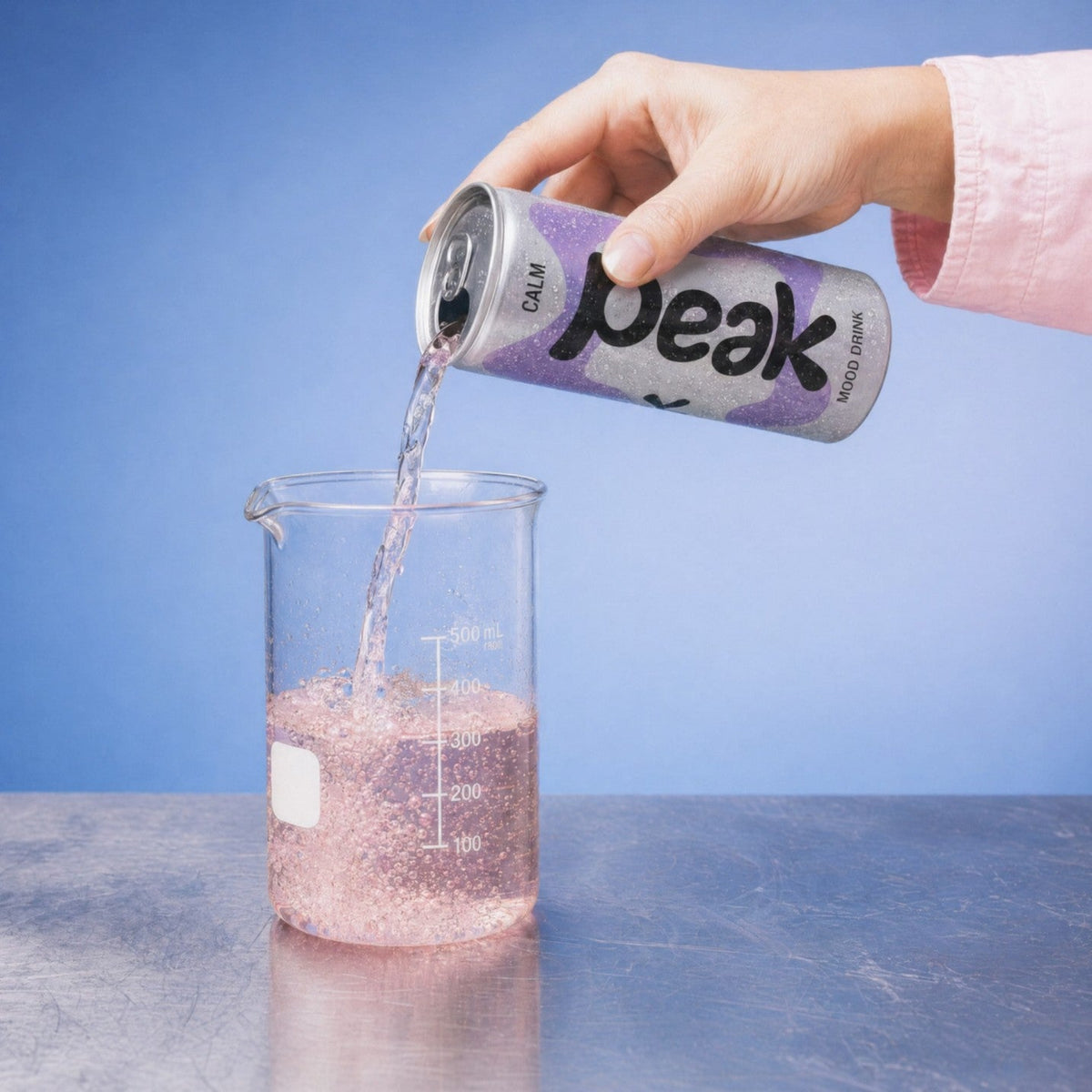
| Peak Calm | None | Juicy Peach, sparkling | Relaxed, not tired | Any stressful moment, at any time of day |
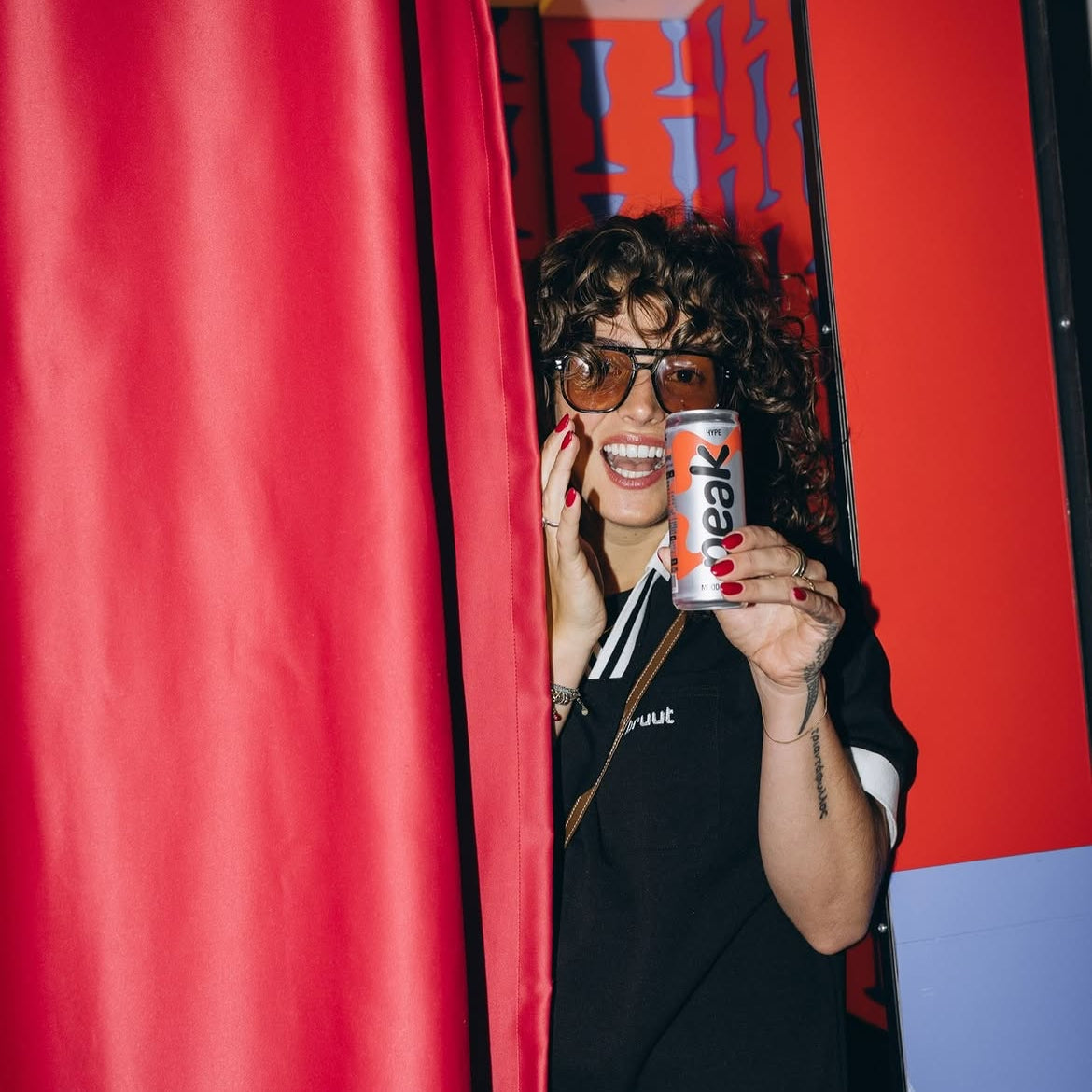
| Peak Hype | 60mg of natural caffeine from 300mg of guayusa, plus 250mg of L-tyrosine and 25mg of L-theanine | Berry Citrus, sparkling | Lifted, not wired | Deep work, the gym or a night out |
Caffeine figures are typical servings from the sources at the end. Brands, scoops and brewing times change them, so the label is always the final word. Peak Hype: High caffeine content. Not recommended for children or pregnant or breastfeeding women.
Is matcha a good coffee alternative?
Matcha is a strong choice if you want a lift close to coffee in a very different cup. It is green tea from bushes that growers cover with bamboo mats for most of the growing period, then ground into a fine powder that you whisk into water or milk (Kochman et al., 2021).
The same review found 18.9mg to 44.4mg of caffeine per gram of matcha, which works out at about 38mg to 89mg in a 2g serving. That wide range is why one matcha latte can feel gentle and the next can feel as strong as a coffee. If you make it at home, the size of your scoop matters more than the brand.
Matcha also contains L-theanine, an amino acid found in tea. A 2014 review of 11 placebo-controlled studies in people found that caffeine and L-theanine taken together gave moderate gains in alertness and attention switching in the first two hours, with the caffeine dose doing more of the work than the L-theanine dose (Camfield et al., 2014). Most of these studies used more L-theanine than a can of Peak contains. We explain the pairing in full in our guide to L-theanine and caffeine.
Does mushroom coffee have caffeine?
Yes, most mushroom coffee does, because most blends are part coffee. Makers mix powdered medicinal mushrooms, such as lion's mane, chaga, reishi or cordyceps, into ground or instant coffee, usually at about one to one. The three blends Healthline compared had 50mg to 60mg of caffeine a cup, against 100mg to 150mg for the regular coffee it tested (Healthline).
The big appeal is the taste, which stays dark, smooth and nutty, close to the coffee you already drink. It often costs about twice as much as regular coffee, and the caffeine is not always printed on the pack. Healthline also notes that most research on medicinal mushrooms comes from animal and lab studies rather than from people drinking mushroom coffee, so it is best enjoyed as a lower-caffeine coffee with an interesting ingredient list.
Is chicory coffee caffeine free?
Yes, pure chicory coffee is caffeine free. Chicory is a flowering plant in the dandelion family, and chicory coffee is made by roasting, grinding and brewing its root. It tastes earthy and nutty, and it brews dark enough to pass for coffee at a glance (Healthline).
Chicory has a long history as coffee's understudy. It is believed to have caught on in France during a coffee shortage in the 1800s, and later in New Orleans for the same reason. Britain has its own version in Camp Coffee, a Scottish syrup first made in Glasgow in the 1800s, which contains 25% chicory extract and 4% coffee extract (Wikipedia). These days it mostly lives in the baking aisle.
That small amount of coffee extract means Camp Coffee carries a little caffeine, and so do many chicory blends. If you want none at all, look for 100% chicory on the label.
Is yerba mate stronger than coffee?
Yerba mate can match coffee, and a traditional serve can go past it. Cleveland Clinic puts a cup at about 80mg of caffeine, roughly the same as a cup of coffee, and notes that processing and preparation change the number (Cleveland Clinic). It comes from Ilex paraguariensis, a South American holly.
The traditional way to drink it is from a gourd through a metal straw with a filter at the bottom, topping up the leaves with hot water as you go (Healthline). That is where the strength builds. A 2005 lab study measured chimarrão, the hot gourd serve, at an average of 135mg of caffeine per 500ml (Bastos et al., 2005).
The taste is earthy, grassy and bitter, so it suits people who already like strong green tea.
What is guayusa, and how does it compare with coffee?
Guayusa (Ilex guayusa) is a holly tree from the upper Amazon of Ecuador, Peru and southern Colombia, and a cousin of yerba mate. The Kichwa people drink it daily and share it in gourds at parties and festivals (Wikipedia). Amazonian hunters call it the Night Watchman, because it keeps them alert at night while they sit still and wait.
Brewed as a tea, guayusa has about 41mg of caffeine in a 240ml cup made with 2g of leaf, which is around half a cup of instant coffee (Caffeine Informer). Stronger brews contain more. The taste is the surprise. Guayusa is low in tannins, the compounds behind much of tea's bitterness, so it brews smooth and slightly sweet.
Guayusa is also the leaf that inspired Peak. Our founder Louie has drunk it every day for five or six years, and it is the leaf at the heart of Peak Hype. You can read the full story in our guide to guayusa.
Where do Peak Calm and Peak Hype fit?
Peak is a mood drink, which means each can is made for a feeling rather than a time of day. We make two moods, so you choose how you want to feel and pick the can to match.
Peak Calm is a sparkling juicy peach drink for relaxing at any stressful moment. Each can has 70mg of magnesium, 125mg of L-tryptophan, 250mg of glycine and 50mg of L-theanine, and magnesium contributes to normal psychological function. People reach for Calm when work gets busy.
Peak Hype is a sparkling berry citrus drink with 60mg of natural caffeine from 300mg of guayusa, plus 250mg of L-tyrosine and 25mg of L-theanine. Your body makes dopamine from tyrosine, which is why it is in every can. For a sense of scale, the NHS lists 80mg of caffeine in a 250ml can of stimulant drink. People open a Hype before deep work, the gym or a night out. High caffeine content. Not recommended for children or pregnant or breastfeeding women.
Try both moods with the Starter Pack, which has four cans of Calm and four cans of Hype.
Frequently asked questions
Which coffee alternative has the most caffeine?
Yerba mate usually has the most. A cup has about 80mg, and a traditional 500ml gourd averaged 135mg in a 2005 lab study. A generous scoop of strong matcha can also pass a cup of instant coffee, as matcha holds up to about 44mg of caffeine per gram.
Does matcha have more caffeine than coffee?
A typical 2g serving of matcha has about 38mg to 89mg of caffeine, which is usually less than the 100mg in a cup of instant coffee. A double scoop of a strong matcha can go past it, so the amount of powder you use makes the biggest difference.
What can I drink instead of coffee in the morning?
Pick by how much caffeine you want. Matcha and yerba mate give you a lift close to coffee, guayusa tea and mushroom coffee give you about half, and pure chicory gives you the warm, roasted ritual with none.
How much caffeine is too much in a day?
EFSA considers up to 400mg of caffeine a day safe for healthy adults when it is spread across the day, and single doses of up to 200mg. For pregnant women, the safe level is up to 200mg a day from all sources, which the NHS also recommends.
Sources
- NHS, Foods to avoid in pregnancy (caffeine amounts in common drinks)
- EFSA, Caffeine
- Ocado Retail, Functional drinks boom as Gen Z swaps out coffee and alcohol, June 2025
- Kochman et al. 2021, Health Benefits and Chemical Composition of Matcha Green Tea: A Review, Molecules
- Camfield et al. 2014, Nutrition Reviews
- Healthline, Mushroom coffee
- Healthline, Chicory coffee
- Wikipedia, Camp Coffee
- Cleveland Clinic, Yerba mate benefits
- Healthline, Benefits of yerba mate
- Bastos et al. 2005, Acta Farmacéutica Bonaerense
- Wikipedia, Ilex guayusa
- Caffeine Informer, Guayusa tea
Pick your mood
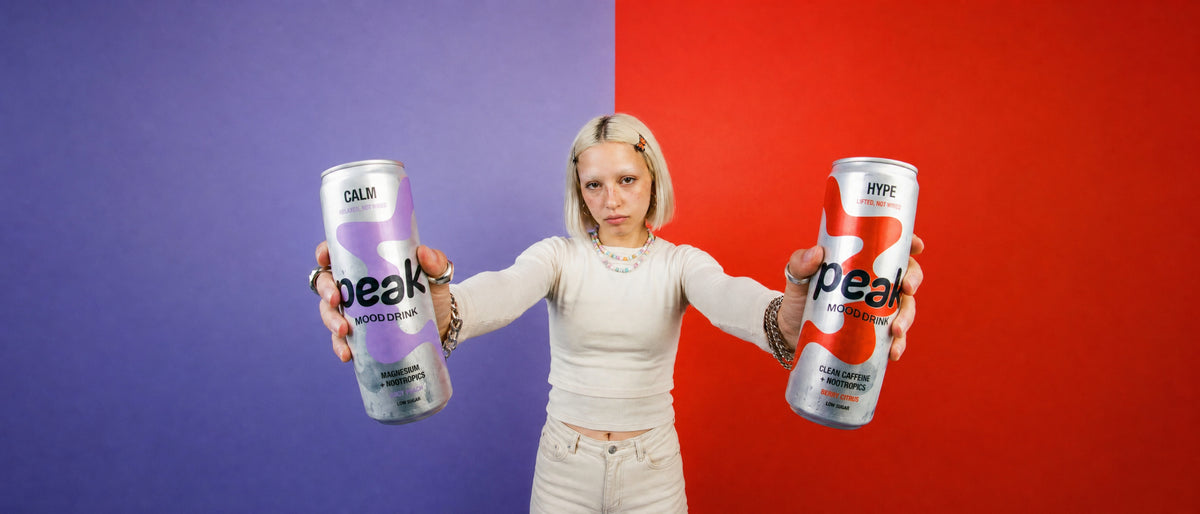
Lifted, not wired. Relaxed, not tired.

Calm
Meet Calm
A caffeine-free sparkling peach drink with magnesium, L-theanine, glycine and L-tryptophan, made for unwinding.

Hype
Meet Hype
A sparkling berry citrus drink with 60mg of caffeine from guayusa, plus L-theanine and tyrosine.
 Alcohol-freeThe best alcohol-free drinks for a night outMost people who order alcohol-free drinks still drink, just less often and less each time. Here are the best alcohol-free options for a night out, from 0% beer to mocktails...
 IngredientsL-theanine and caffeine: why the pairing worksL-theanine is an amino acid from the tea plant. We explain what a 2014 meta-analysis found when it is paired with caffeine, the doses trials use, why matcha feels different...
 IngredientsGuayusa: the Amazon leaf behind Peak HypeGuayusa is a caffeinated holly from the upper Amazon and a cousin of yerba mate. Our guide covers the Night Watchman story, Kichwa dawn gatherings, its smooth taste, its caffeine,...